


FutuHRistIC Festival 2026 Day One: Courage, Culture and the Human Decisions Shaping the Future of Work
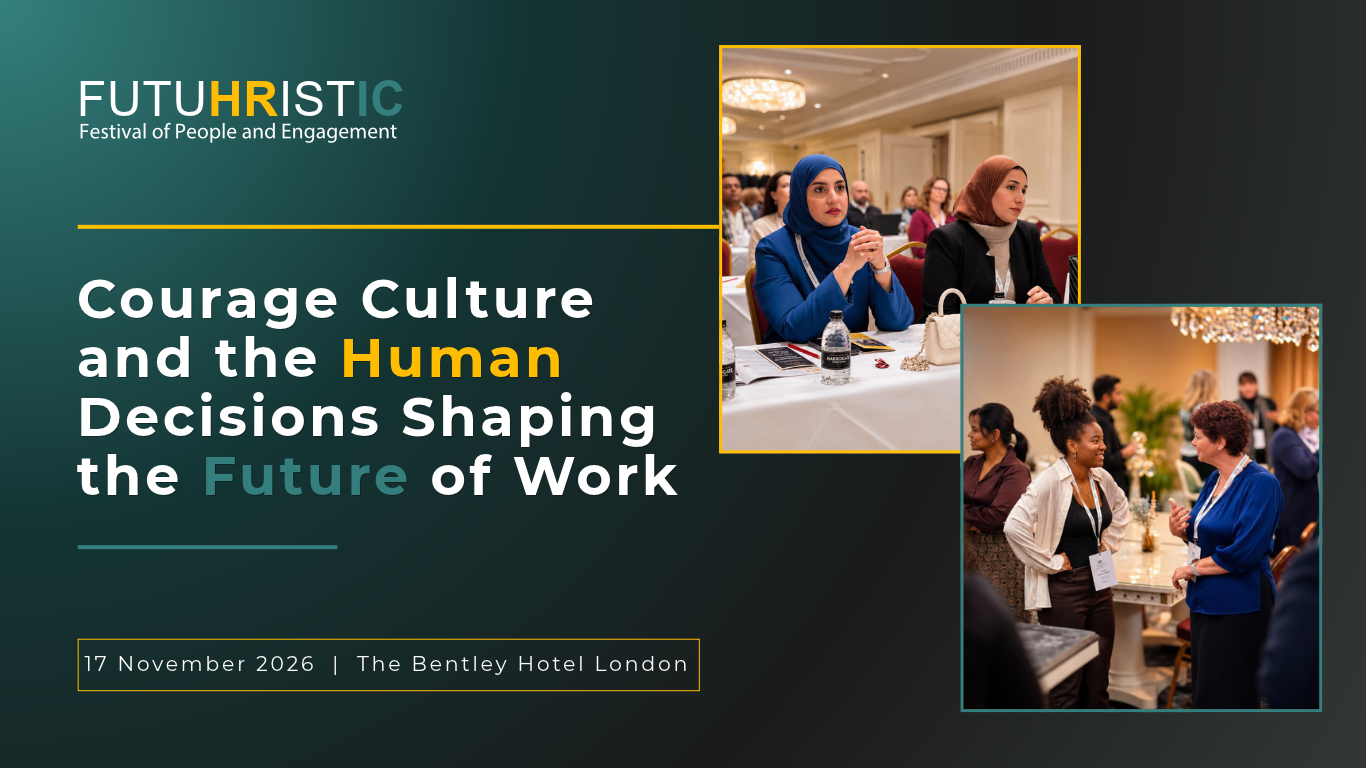
The opening day of FutuHRistIC Festival 2026 explored how leadership decisions, workplace culture and emerging technologies are changing the way organisations operate. The sessions highlighted the importance of human judgement, employee wellbeing and practical approaches to organisational change.
Held on 17 November 2026 at The Bentley Hotel, London, the Reinventing HR Summit featured industry professionals sharing real-world experiences, case studies and lessons from their organisations. Discussions covered leadership challenges, workforce development, AI integration, global talent management and sustainable working environments.
Throughout the programme, speakers examined the underlying causes of workplace challenges rather than focusing solely on individual initiatives. Burnout was discussed in relation to management practices and workload, employee engagement as a result of organisational culture, and AI as a technology that requires human judgement and accountability. These perspectives established a common theme: improving workplaces requires organisations to examine how their everyday decisions affect employees.
Leadership Courage and the Challenges of Organisational Growth
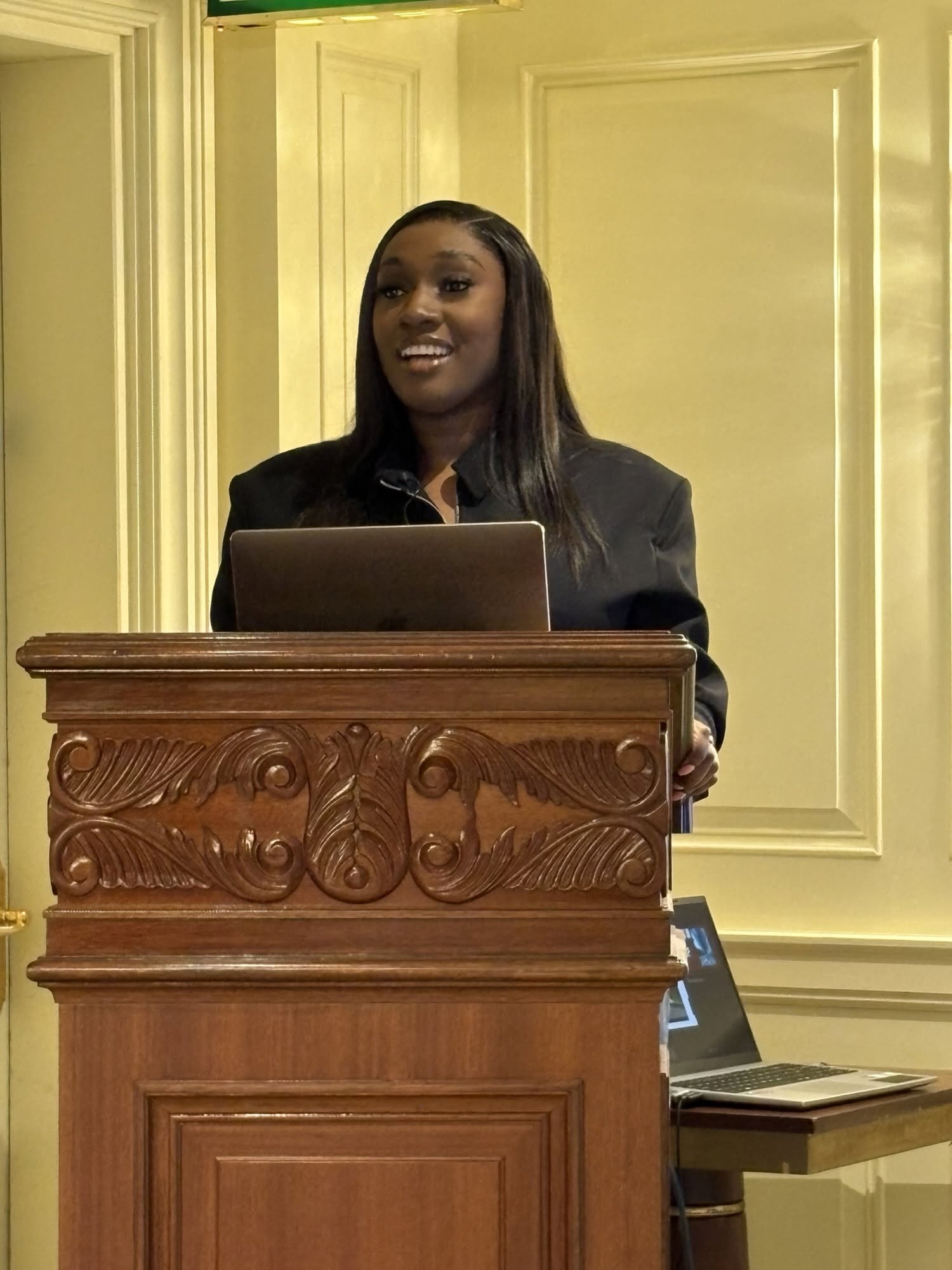
Magdalena Arthur, Senior People Partner at WHSmith, opened the speaker programme with Finding Your Voice to Drive Change, exploring how meaningful change often begins with the courage to speak up, even before someone feels confident or holds formal authority. Drawing on experiences from her HR career, Arthur highlighted the importance of advocacy, mentorship and supportive colleagues. Her work helping establish a race equity network at WHSmith demonstrated why effective inclusion requires organisations to listen to employees’ experiences and turn their concerns into meaningful action.
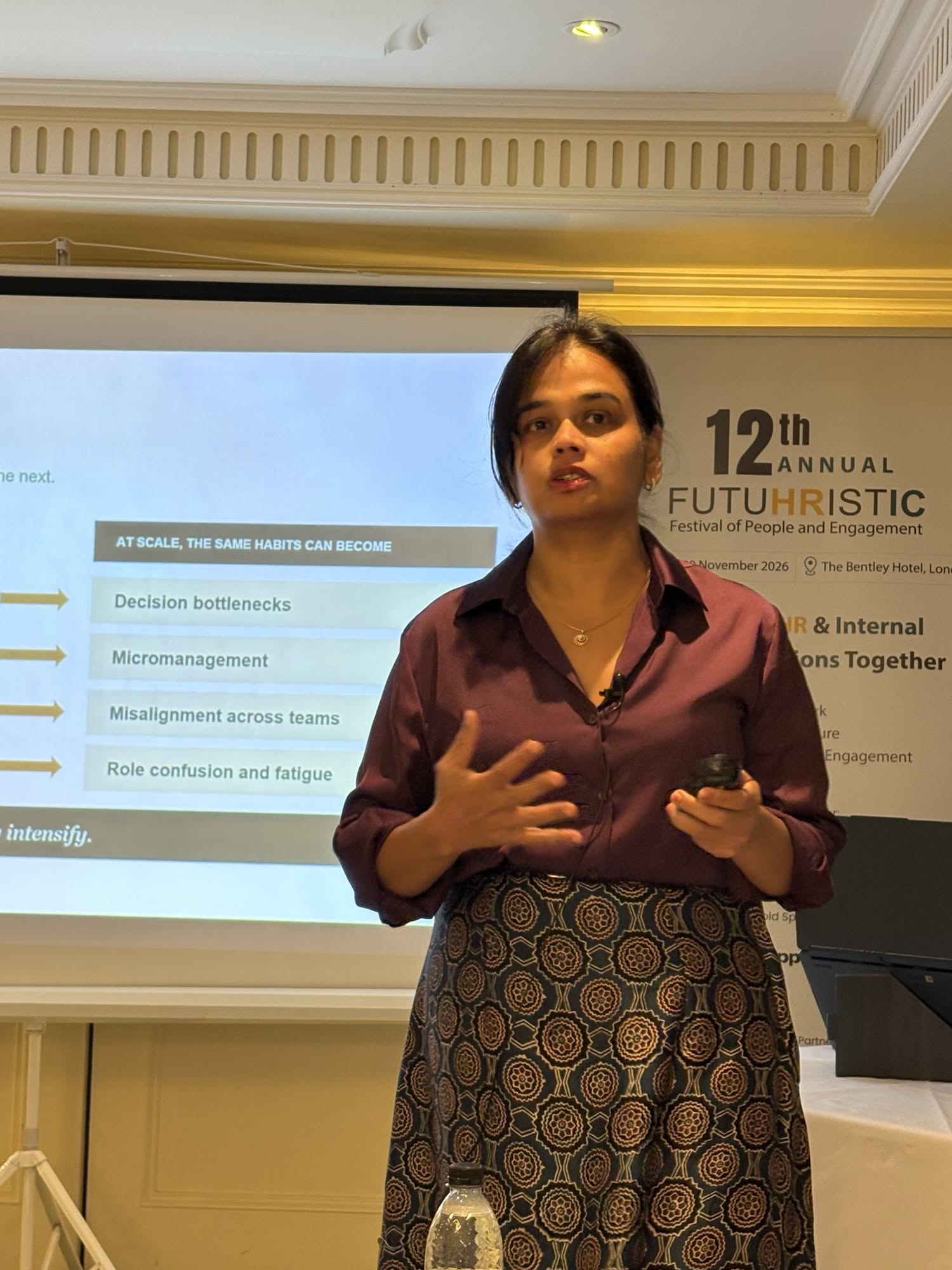
The relationship between leadership behaviour and organisational culture was further explored by Vidya Murali, Director of Business Operations at Skyscanner, in her session When Growth Breaks Your Culture and Your People. Murali examined how leadership practices that support smaller organisations can become obstacles during rapid expansion. Centralised decision-making, unclear responsibilities and expectations of constant availability can gradually create pressure and affect employee wellbeing.
Her session also highlighted the importance of adapting leadership approaches as organisations grow. Practices that initially support efficiency and flexibility may become less effective as teams expand and responsibilities change. Leaders therefore need to recognise when established habits are creating difficulties and introduce more sustainable ways of working.
Developing Future-Ready Workforces and Managing Global Talent
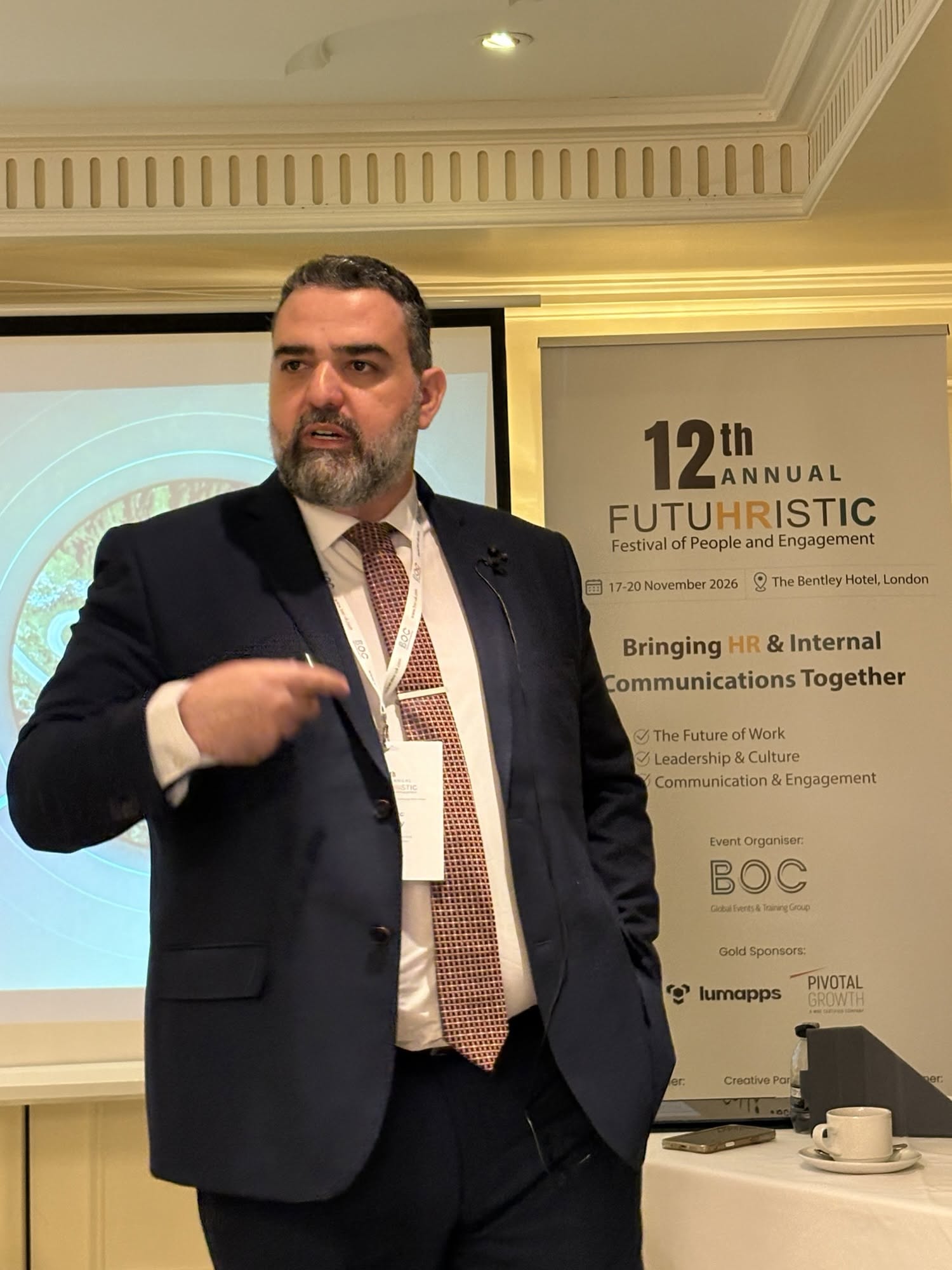
Marc Rjeily, Senior Executive and Advisor in Strategy, Growth and Partnerships, presented lessons from a large-scale UAE workforce initiative in his session Start With the Job: Building a Future-Ready Workforce – Lessons from the UAE. The Mubadala Emiratization programme involved 1,200 UAE nationals across 34 companies and eight sectors. Following six months of development in business English, digital skills and role-specific capabilities, 1,183 participants signed employment contracts.
The programme demonstrated the importance of designing workforce development around actual employment opportunities rather than offering training without clearly defined outcomes. Rjeily highlighted how collaboration between employers, educational institutions and government organisations can strengthen training programmes, respond to workforce needs and prepare employees for changing professional requirements.
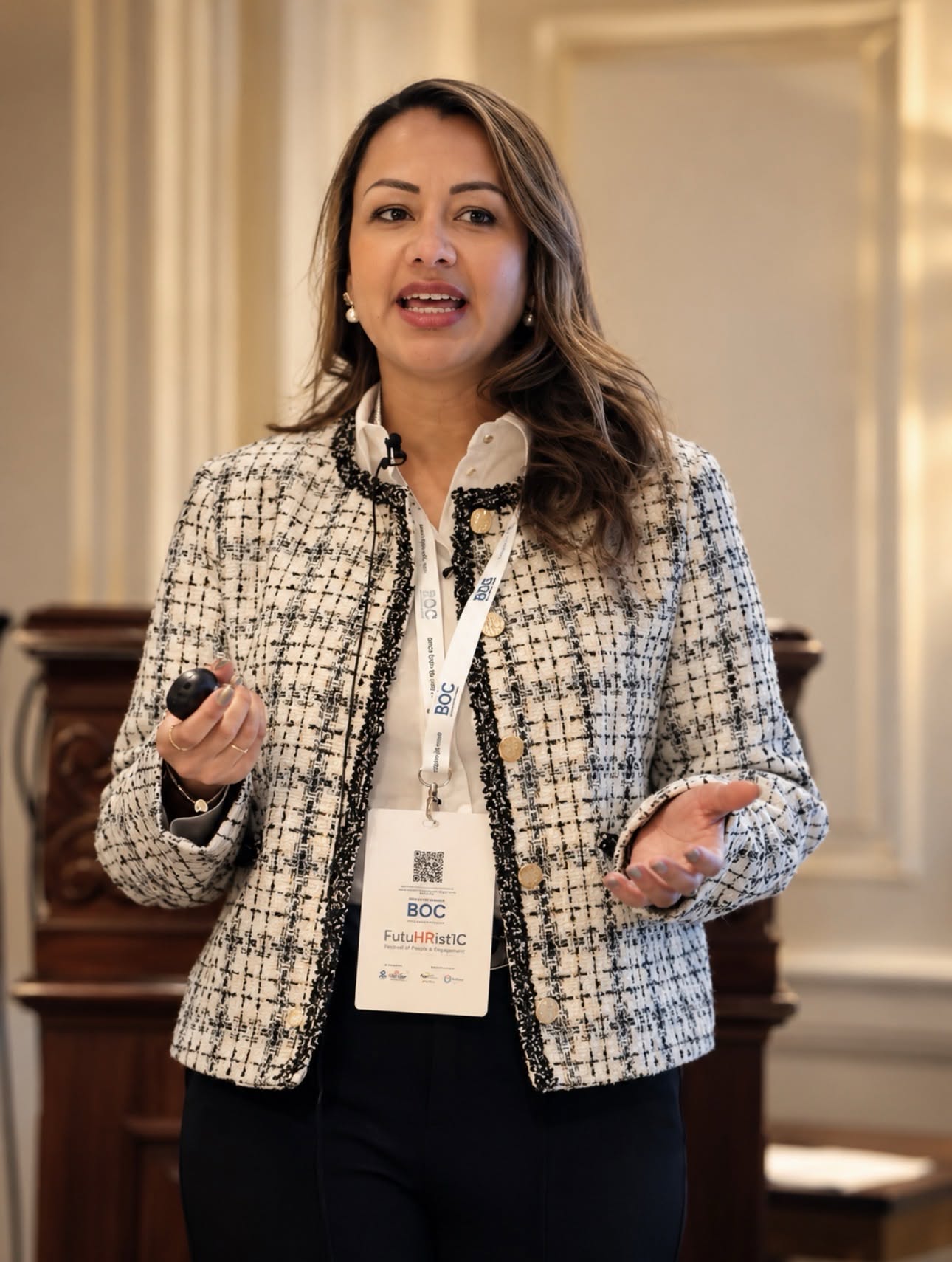
Tatiana Chagas, Senior Global Mobility and Immigration Specialist at International Employment, explored international recruitment in Hiring Beyond Borders: Enabling Global Talent Through Smart Mobility and Compliance. Her session emphasised why immigration requirements, work authorisation, recruitment timelines and compliance considerations must be addressed early in the hiring process. She also demonstrated how AI-supported tools can improve administrative efficiency while leaving complex interpretation and accountability in the hands of experienced professionals.
AI Integration and the Importance of Human Judgement
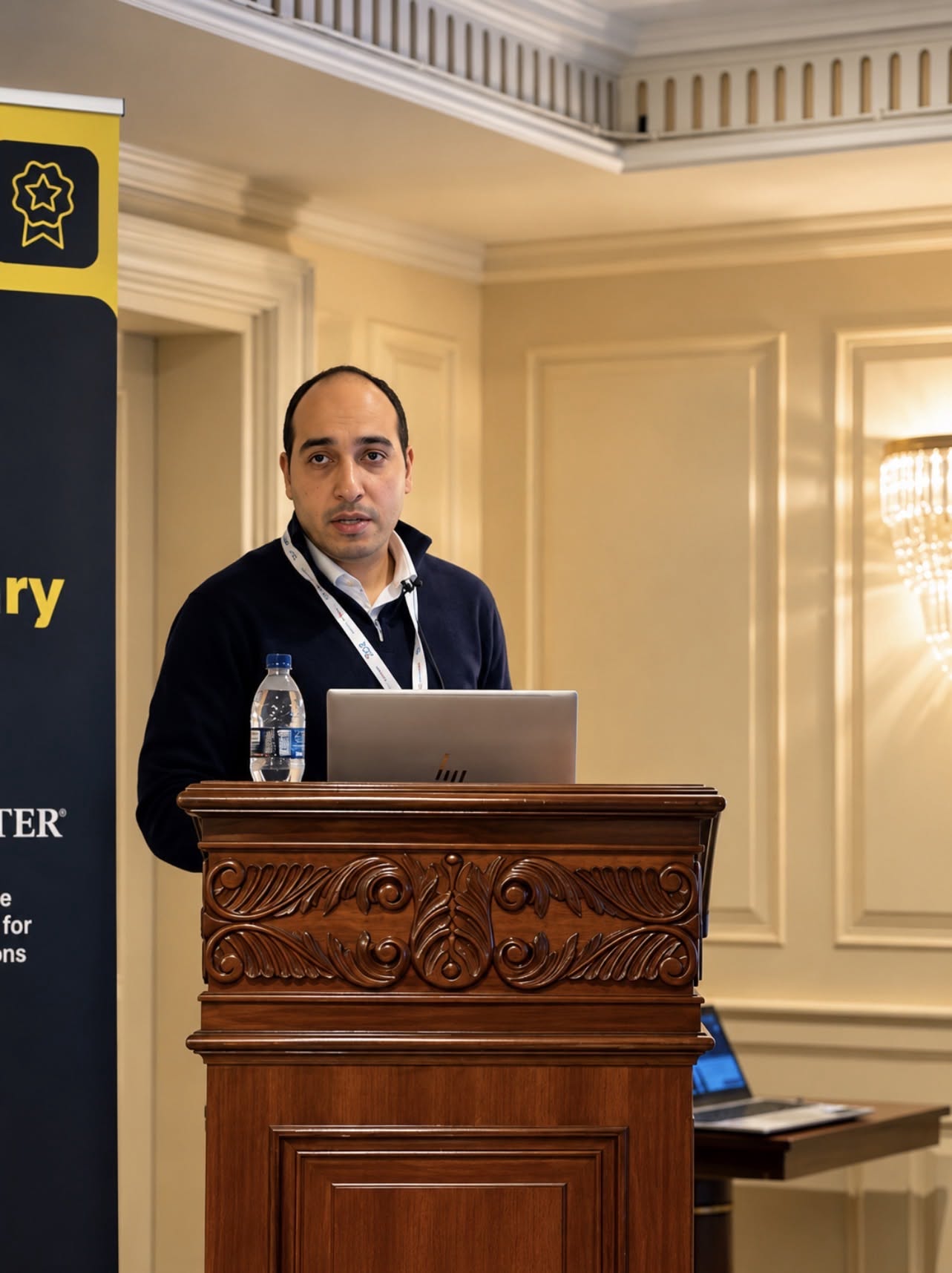
Ahmed Salah, Global Head of Human Resources at Oxford Economics, examined the difference between adopting artificial intelligence and integrating it effectively into organisational operations. His session highlighted that providing employees with AI tools does not automatically improve performance. Effective integration requires organisations to rethink how work is organised, identify tasks suitable for automation and establish clear boundaries around decisions that require human oversight.
Salah also raised concerns about the impact of automation on early-career development. As AI increasingly performs routine tasks, organisations must protect opportunities for junior employees to develop professional judgement through practical experience, mentorship and structured learning. Without these opportunities, businesses risk weakening the development of future specialists and leaders.
He encouraged leaders to begin with individual workflows, assess where AI can provide support and measure the results. His approach emphasised the importance of using time saved through automation to improve learning, decision-making and the quality of work, rather than simply increasing expectations. The session demonstrated why AI integration must consider both technological efficiency and long-term workforce development.
Organisational Culture and Communicating Change Effectively
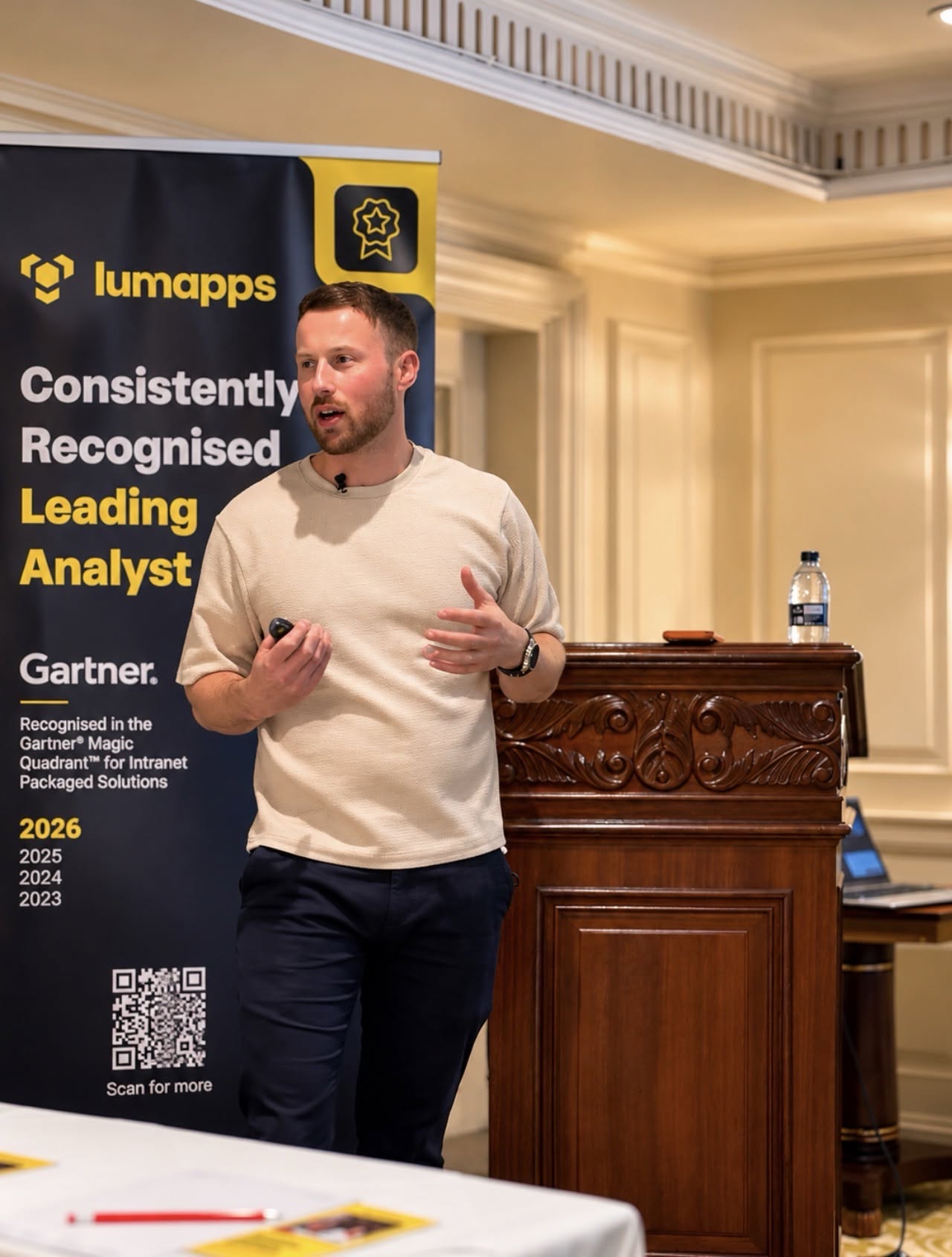
Nick Holmes, Director of Culture and Design, challenged organisations to understand culture as a system shaped by structures, incentives, behaviours and everyday decisions. His presentation explored how organisational culture influences employee engagement and business performance. Rather than treating engagement surveys or leadership training as separate solutions, Holmes encouraged organisations to examine the systems that influence workplace behaviour and identify the barriers preventing meaningful improvement.
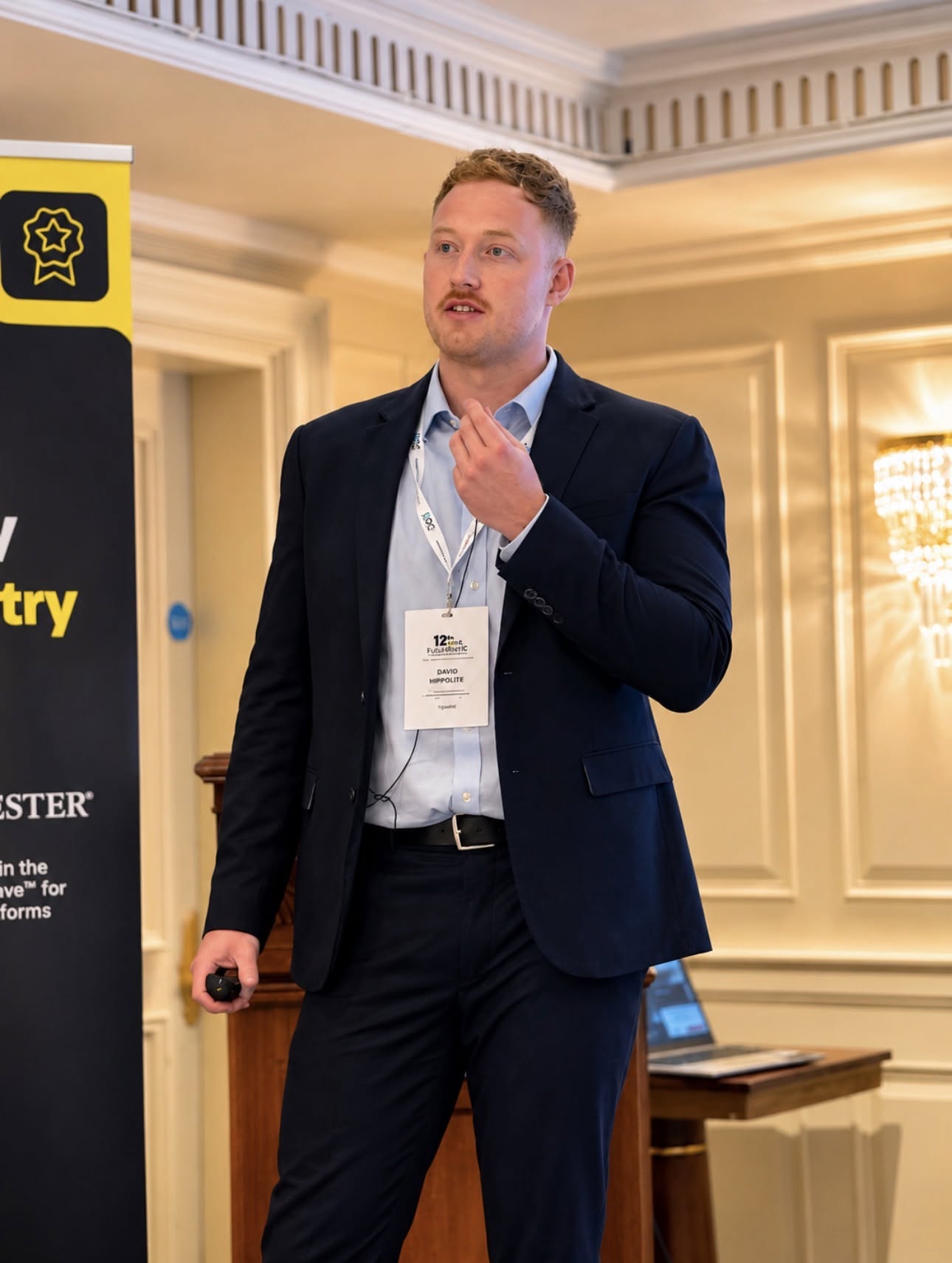
The importance of employee experience during organisational transformation was explored by David Hippolite, Senior People Partner at the Victoria and Albert Museum. Using the museum visitor journey as a comparison, Hippolite demonstrated why employees need clear direction, reassurance and opportunities to ask questions throughout organisational change. His session examined different employee responses to restructuring and highlighted the importance of explaining what will remain stable alongside what is changing.
Hippolite also emphasised that communication must continue after an initial announcement. Listening groups, individual discussions, feedback mechanisms and visible follow-up actions help employees understand how their concerns influence organisational decisions. His examples demonstrated how continued communication can reduce uncertainty, strengthen trust and support employees throughout periods of change.
Building Wellbeing into the Conditions of Work
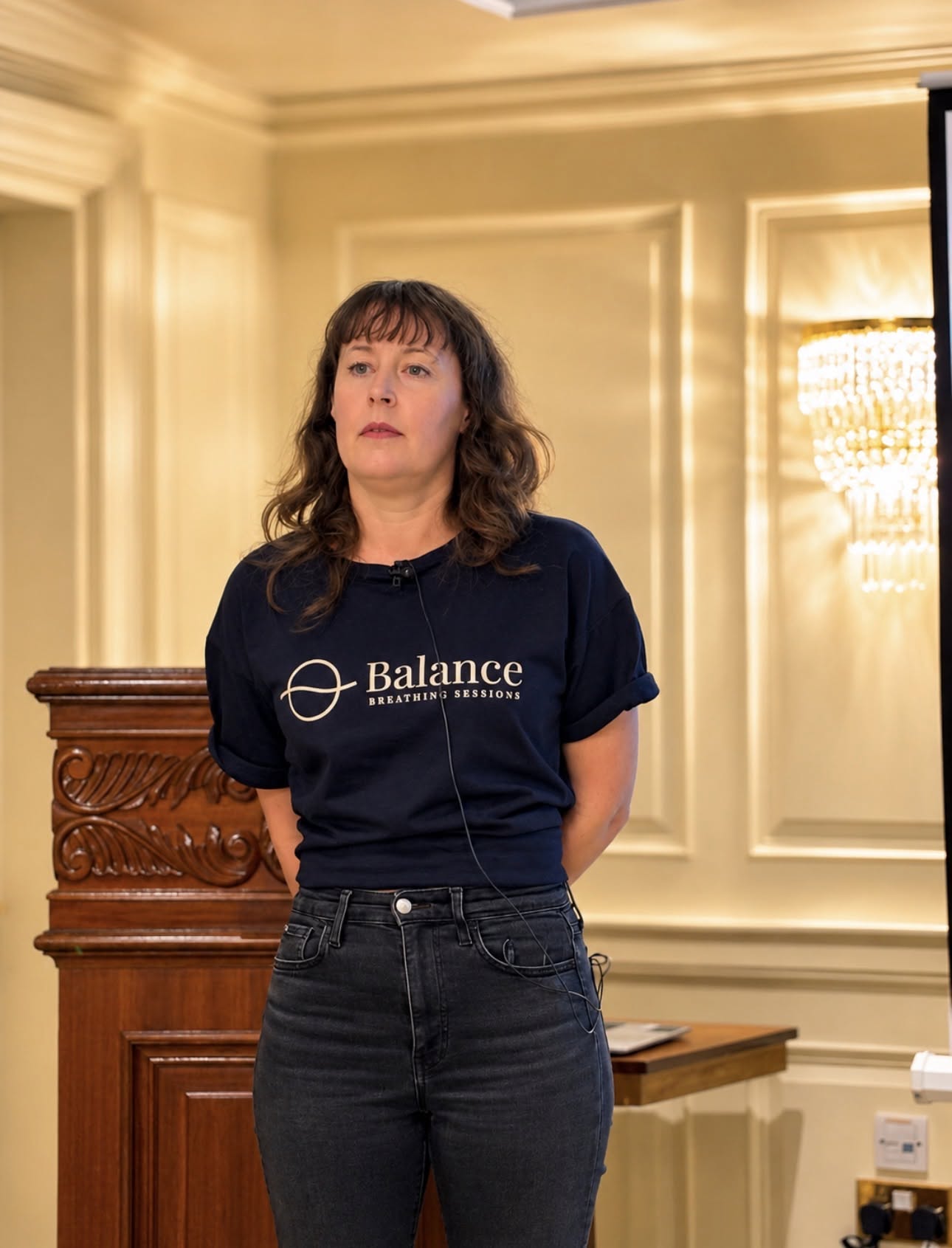
The final extended session, Beyond Wellness Programmes: Building Sustainable Wellbeing Cultures, explored the relationship between employee wellbeing, management capability, work design and psychological safety. Johanna Greenish, Corporate Breathwork Facilitator, opened the session with a guided balance-breathing exercise, providing delegates with an opportunity to reset before the discussion turned to broader organisational responsibilities.
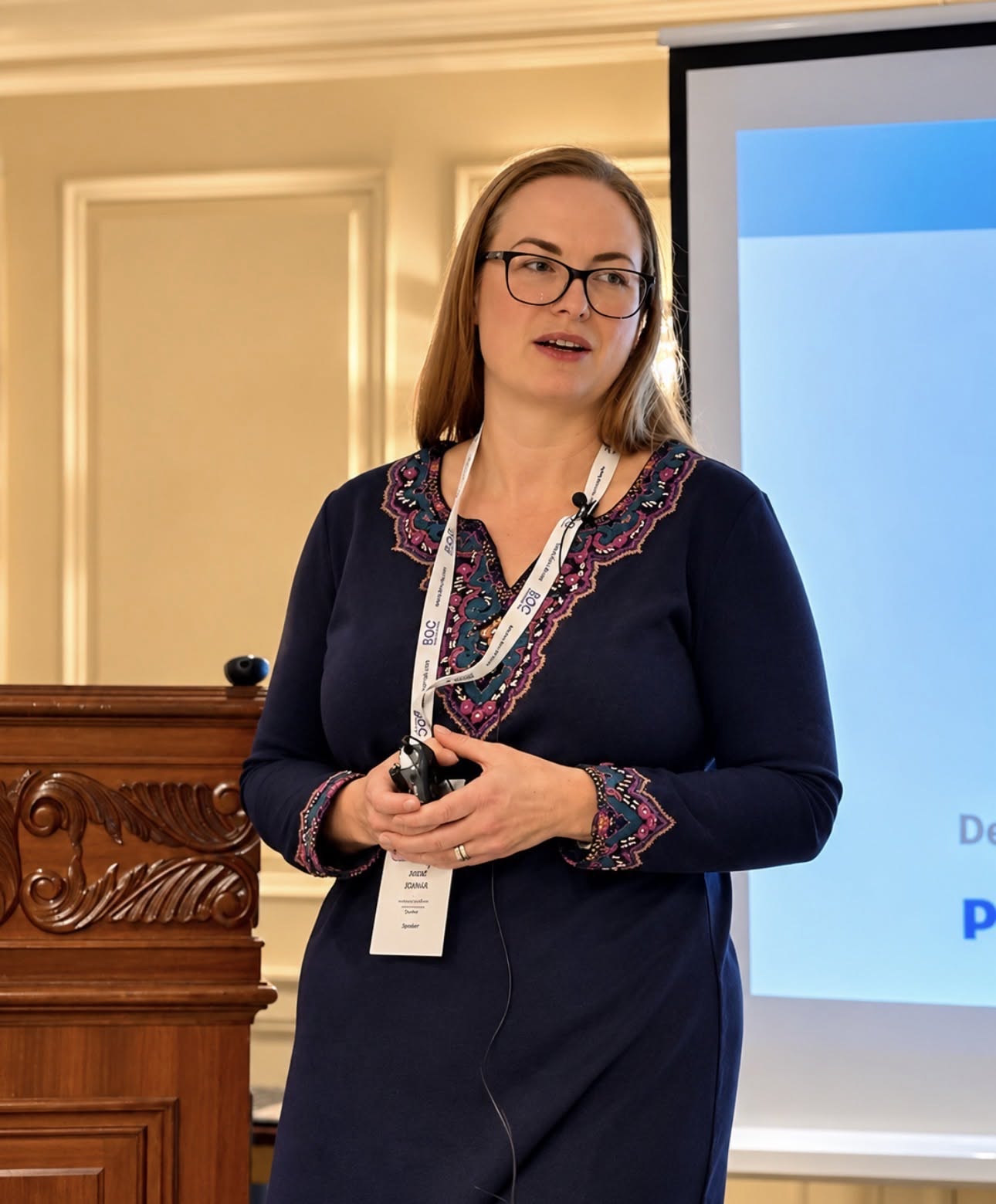
Amber Douglas, Learning and Development Leader UK and Europe, shared approaches to integrating wellbeing into everyday workplace culture, including leadership coaching, shared learning experiences and initiatives supporting mental health. Her contribution highlighted the importance of making wellbeing part of regular organisational practices rather than limiting it to occasional activities.
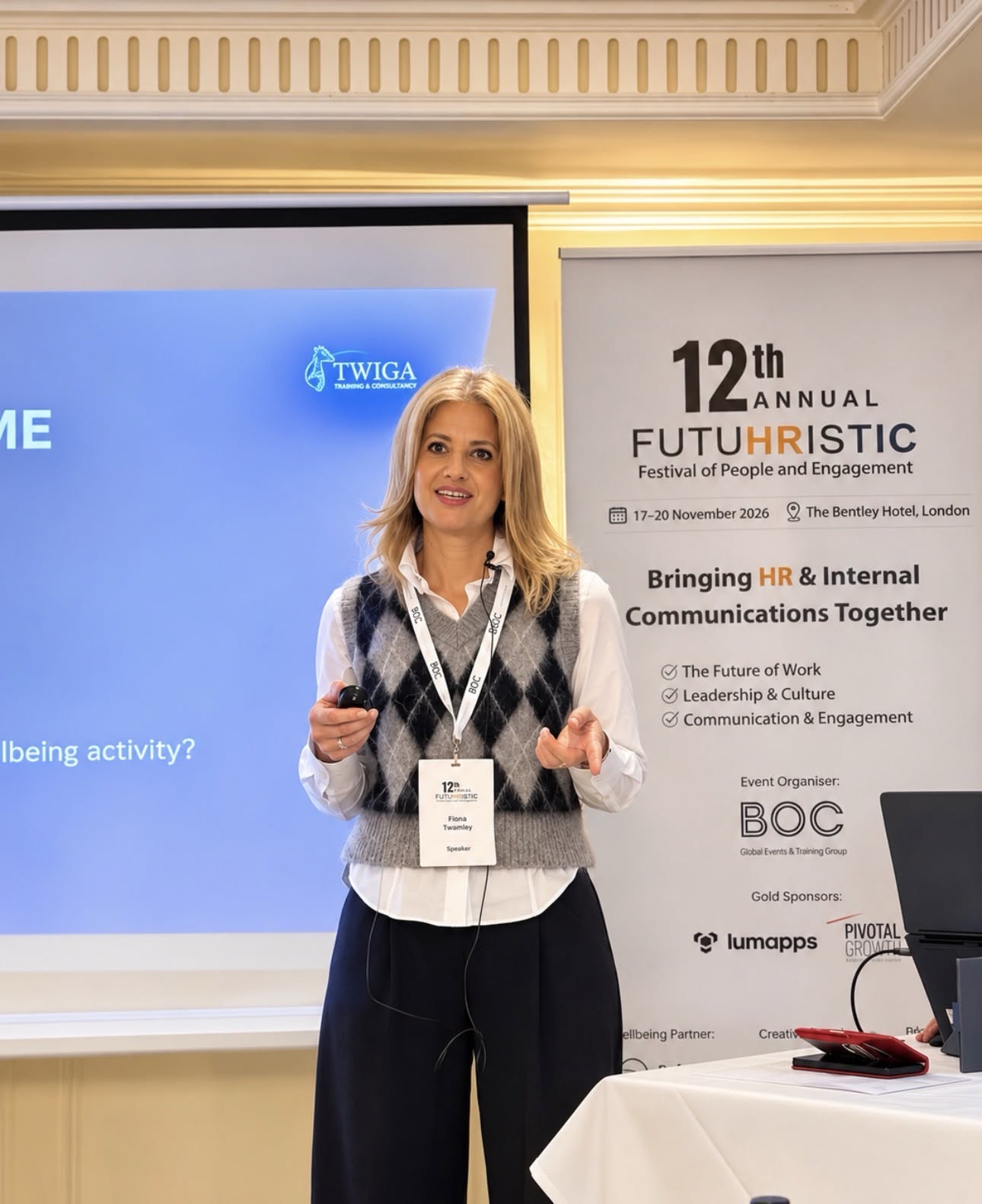
Fiona Jensen, former Head of Wellbeing at the UK Home Office, examined the limitations of relying on standalone wellbeing initiatives. She emphasised that employee assistance programmes and resilience training cannot compensate indefinitely for excessive workloads, limited autonomy, ineffective management or poorly managed organisational change. Her recommendations focused on identifying the underlying causes of workplace pressure and measuring whether employees’ experiences improve.
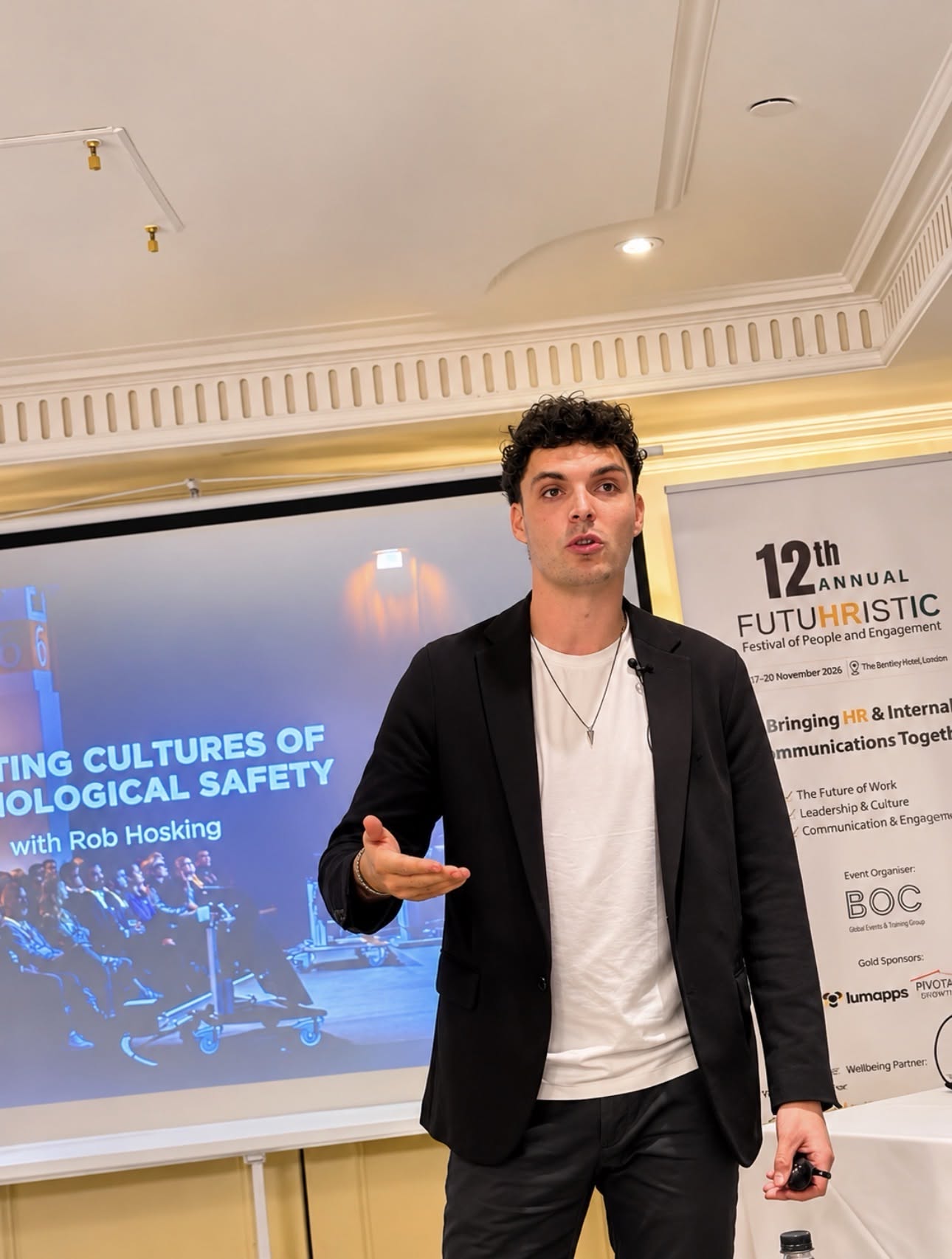
Rob Hosking, international TEDx speaker and former police officer, focused on psychological safety and the importance of creating workplaces where employees feel comfortable raising concerns, sharing feedback and participating in decisions affecting their work. His contribution reinforced the need for leaders to encourage open communication and respond to concerns before they develop into more serious problems.
Together, the speakers demonstrated that sustainable wellbeing depends on organisational conditions, including realistic workloads, supportive leadership, employee autonomy and the confidence to speak openly. Their contributions highlighted the need to address workplace practices alongside individual wellbeing support.
The Central Lessons from Day One
Across the opening day of FutuHRistIC Festival 2026, speakers consistently highlighted the importance of addressing the underlying causes of workplace challenges rather than relying only on individual initiatives. Leadership development cannot create lasting improvements when existing structures reinforce ineffective behaviours, while wellbeing programmes cannot resolve unsustainable workloads. Similarly, AI adoption alone does not guarantee meaningful integration, and workforce training delivers greater value when connected to actual employment opportunities.
The sessions also reinforced the shared responsibility of leaders and employees in shaping workplace culture. Leaders must create the conditions for trust, accountability and effective collaboration, while employees contribute through advocacy, professional expertise, constructive feedback and active participation. Organisational change therefore requires continued communication, practical action and a willingness to adapt established approaches.
Day One of FutuHRistIC Festival 2026 demonstrated that the future of work is shaped by human decisions. As technology, organisational structures and workforce expectations continue to evolve, sustainable progress will depend on responsible leadership, open communication and a commitment to creating better working conditions. These insights provide a foundation for the festival’s continuing discussions on organisational culture, employee engagement, leadership and internal communications.
FutuHRistIC Festival 2026
17–20 November 2026 | The Bentley Hotel, London


